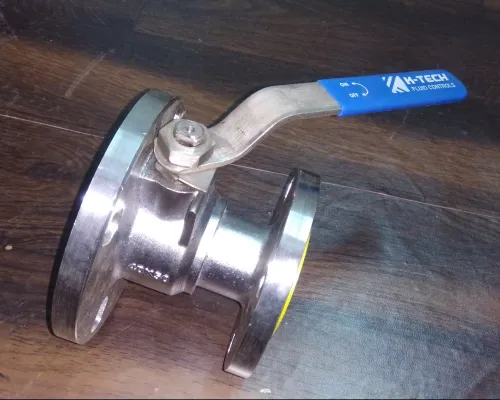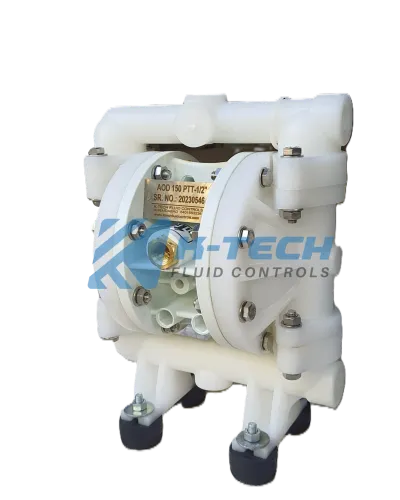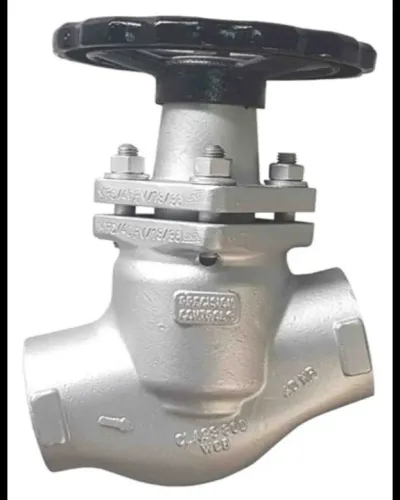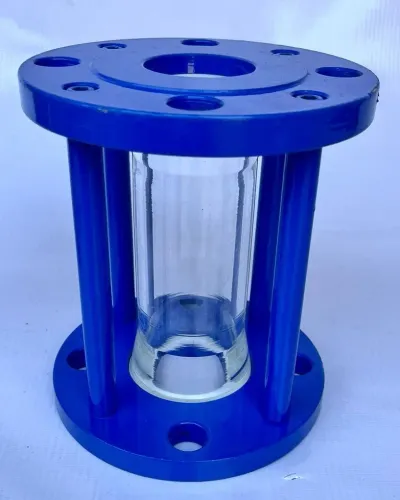
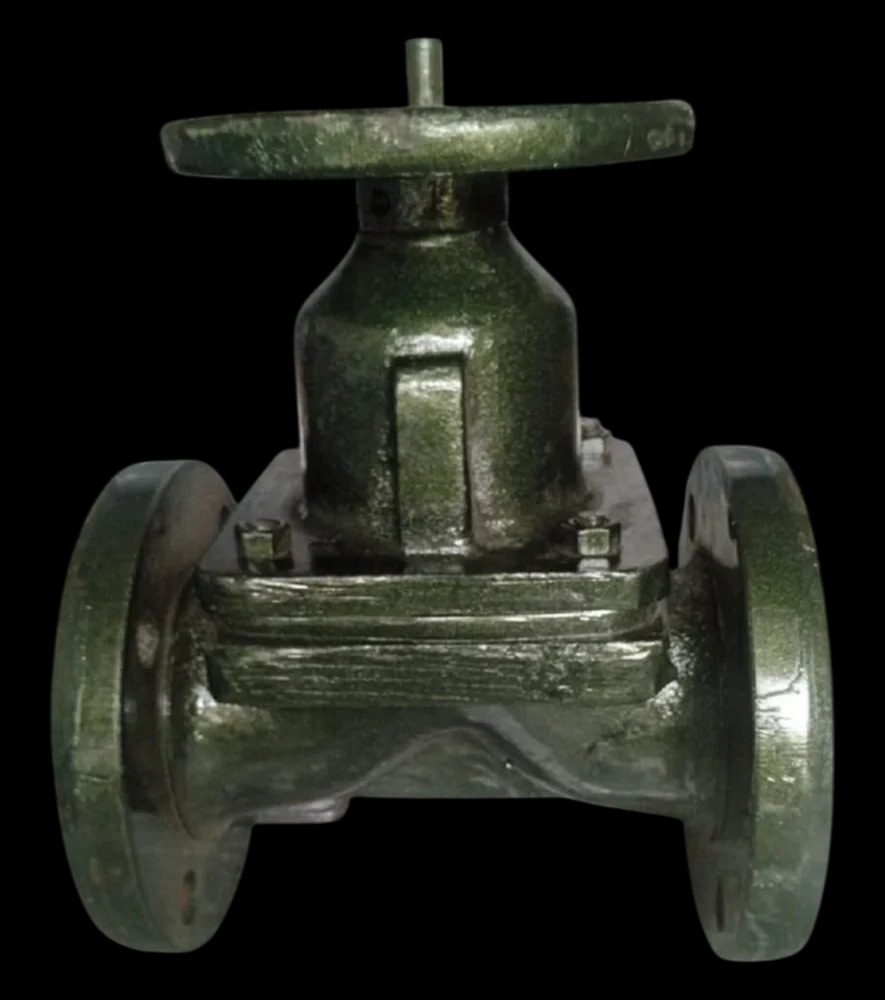
A diaphragm valve is a linear motion valve used to start, regulate, and stop fluid flow. Its defining feature is a flexible disk (the diaphragm) that seats against a weir or a flow passage to create a leak-proof seal.
Why They Are Chosen (The 'Selling Points')
Total Isolation: The operating mechanism is completely isolated from the process fluid, preventing contamination and corrosion of the valve stem.
Leak-Proof Sealing: Ideal for hazardous or expensive fluids where 'zero leakage' is a safety requirement.
Ease of Maintenance: The diaphragm is a wear part that can be replaced without removing the valve body from the pipeline.
Primary Industrial Applications
1. Biopharmaceutical & Food Processing
In these industries, hygiene is non-negotiable.
Usage: Used in high-purity water systems (WFI) and fermentation lines.
Why: The smooth internal body prevents 'dead legs' where bacteria can grow. They are easily sterilized via CIP (Clean-in-Place) or SIP (Steam-in-Place) cycles.
2. Chemical Processing & Corrosive Media
Standard metal valves fail quickly when handling sulfuric acid or caustic soda.
Usage: Transporting aggressive chemicals or abrasive slurries.
Why: The valve body can be lined with materials like PFA, ETFE, or Glass, while the diaphragm (often PTFE or EPDM) acts as a sacrificial, easily replaceable barrier.
3. Water Treatment & Power Generation
Usage: Demineralization plants and ion exchange systems.
Why: Diaphragm valves handle the 'dirty' fluids of water treatment (resins and chemicals) without clogging or seizing.