Preview

This is your website preview.

Currently it only shows your basic business info. Start adding relevant business details such as description, images and products or services to gain your customers attention by using Boost 360 android app / iOS App / web portal.

JDVALVES 594386399a204807501d1f6a Products https://www.ballvalvemanufacturers.com

The Ultimate Guide to Dual Plate Check Valves: Features, Materials, and API Standards

  • 2026-02-23T07:43:10

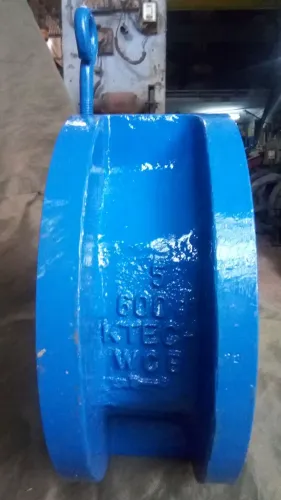
Unlike swing check valves that rely on gravity and backflow to close, the dual plate design uses torsion springs to assist in closing. The plates close nearly the instant the flow velocity decreases, preventing the slam and subsequent pressure surges (water hammer) that can damage sensitive equipment. Material Selection and Durability To ensure longevity in corrosive or high-pressure environments, material selection is critical. Common configurations include: Body: Cast Iron, Carbon Steel (WCB), Stainless Steel (CF8M), Duplex Steel, or Aluminum Bronze. Plates: SS316, Monel, or Hastelloy for aggressive media. Seats: Metal-to-metal for high temperatures or resilient seats (EPDM, Viton, Buna-N) for bubble-tight shutoff. Technical Note: For high-temperature steam applications, $Stellite$ hard-facing on the seat is recommended to prevent erosion and wire-drawing. Dual plate check valves are the preferred choice for: Oil & Gas: Refineries and offshore platforms where space is at a premium. Water Treatment: Desalination plants and municipal pumping stations. HVAC: Chilled water systems and boiler feed lines. Chemical Processing: Handling aggressive fluids with specialized alloy plates.
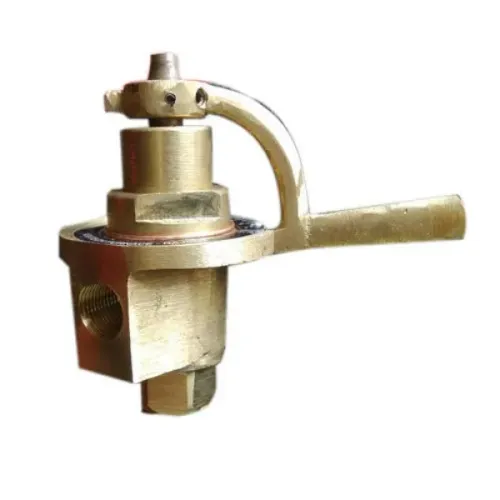
Unlike swing check valves that rely on gravity and backflow to close, the dual plate design uses torsion springs to assist in closing. The plates close nearly the instant the flow velocity decreases, preventing the slam and subsequent pressure surges (water hammer) that can damage sensitive equipment. Material Selection and Durability To ensure longevity in corrosive or high-pressure environments, material selection is critical. Common configurations include: Body: Cast Iron, Carbon Steel (WCB), Stainless Steel (CF8M), Duplex Steel, or Aluminum Bronze. Plates: SS316, Monel, or Hastelloy for aggressive media. Seats: Metal-to-metal for high temperatures or resilient seats (EPDM, Viton, Buna-N) for bubble-tight shutoff. Technical Note: For high-temperature steam applications, $Stellite$ hard-facing on the seat is recommended to prevent erosion and wire-drawing. Dual plate check valves are the preferred choice for: Oil & Gas: Refineries and offshore platforms where space is at a premium. Water Treatment: Desalination plants and municipal pumping stations. HVAC: Chilled water systems and boiler feed lines. Chemical Processing: Handling aggressive fluids with specialized alloy plates.
  • 2026-02-23T07:43:10

Have any question or need any business consultation?

Have any question or need any business consultation?

Contact Us
Chat with us