Depending on the context, 'pulp valve' typically refers to specialized industrial valves used in the pulp and paper manufacturing sector (often called pulp valves or sludge/slurry valves)
Use (Applications)
Stock & Slurry Regulation: Controlling the flow of thick, fibrous wood pulp and dense mixtures through various stages of processing without clogging.
Chemical Dosing & Handling: Managing corrosive bleaching agents (like chlorine dioxide or sodium hydroxide), acids, and catalysts utilized in chemical pulping and bleaching.
Steam and Condensate Control: Regulating high-pressure steam distribution used for cooking wood chips in digesters and drying paper sheets.
Wastewater & Effluent Management: Directing sludge, process water, and industrial runoff through treatment plants.
Importance
Prevents Clogging and Jamming: Standard valves would quickly fail or become jammed by suspended solids and fibrous material.
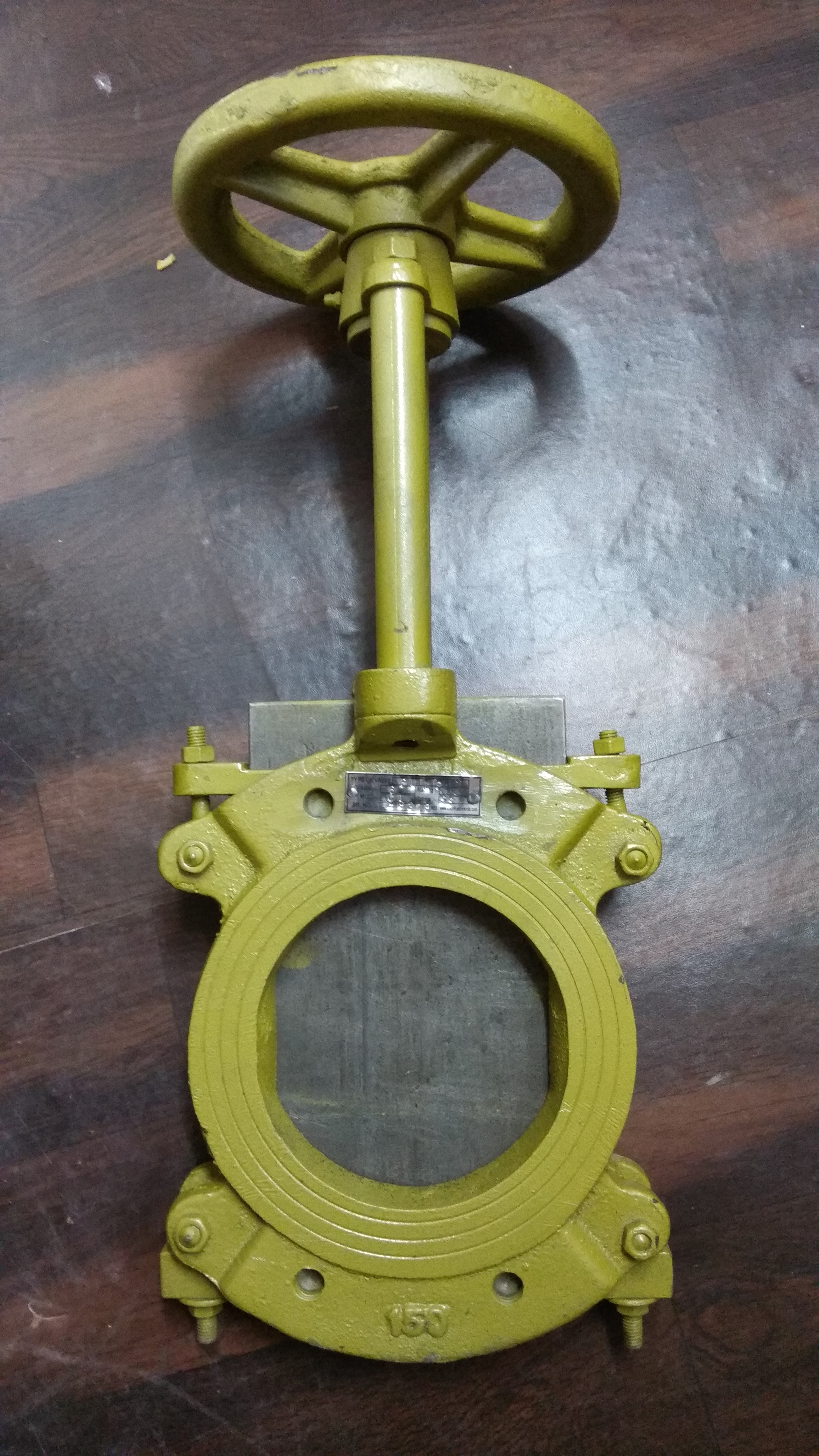
Pulp valves (particularly knife gate designs) feature a shearing action that cuts through solids to ensure a tight, leak-free seal. Corrosion and Abrasion Resistance: Built from heavy-duty, high-alloy stainless steel or specialized coatings, they withstand abrasive slurries and aggressive chemicals, drastically extending equipment lifespans.
Process Continuity: Minimizes catastrophic pipeline blockages and unexpected mill shutdowns, directly saving on maintenance costs and maximizing productivity.