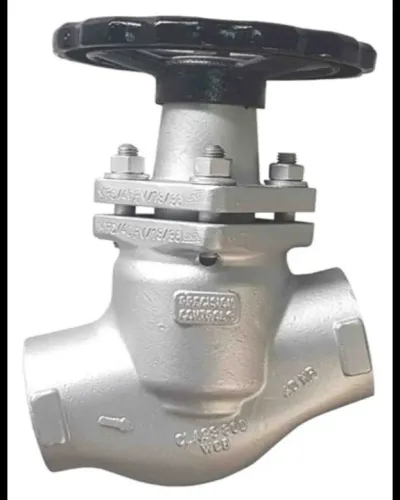
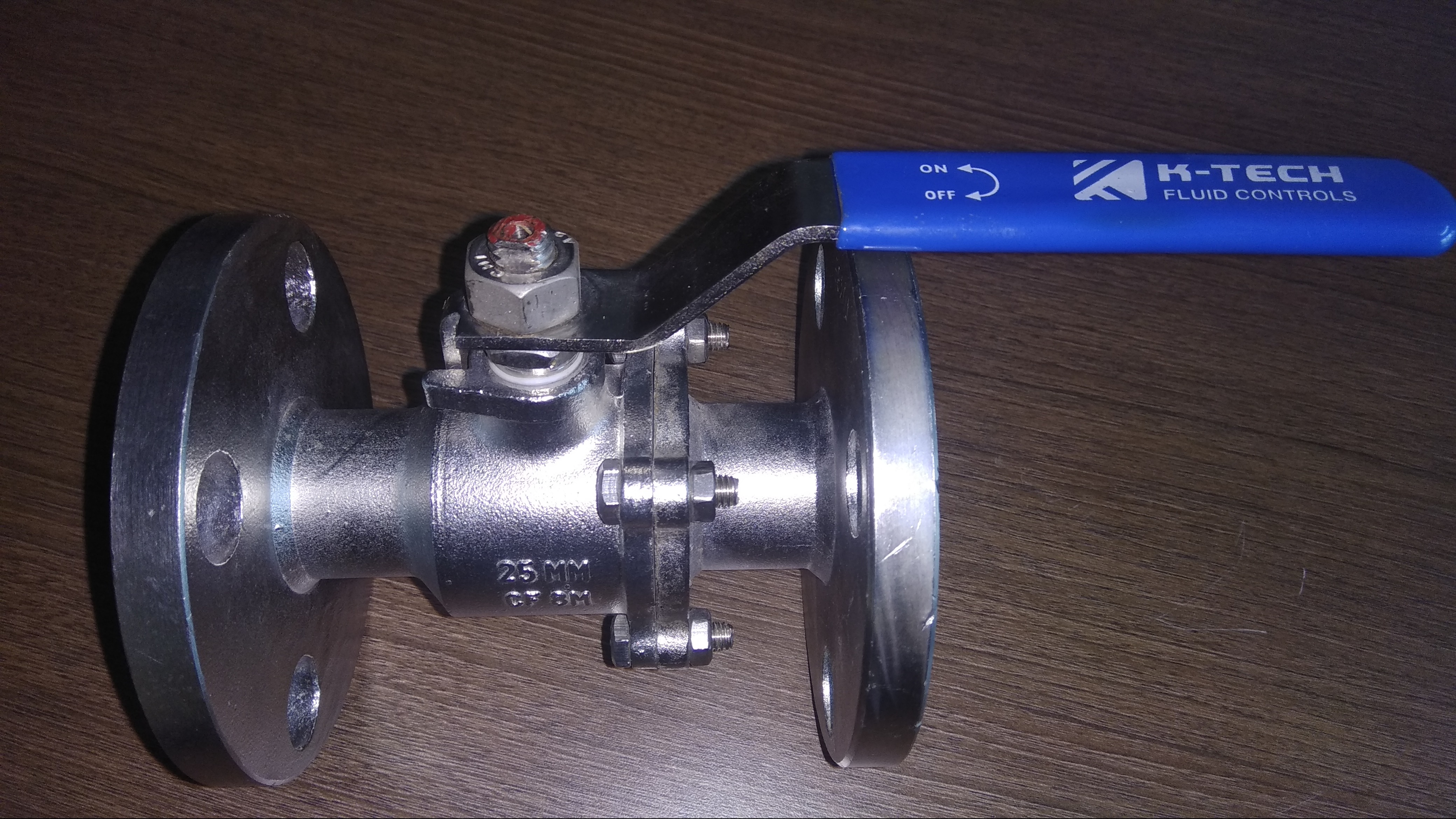
A ball valve is a form of quarter-turn valve that uses a hollow, perforated, and pivoting ball to control flow through it. It is open when the ball's hole is in line with the flow and closed when it is pivoted 90 degrees by the valve handle.
Core Components and Functionality
The reliability of a ball valve stems from its simple, robust design. Key components include:
The Body: The pressure vessel that contains the internal parts.
The Ball: Usually stainless steel or chrome-plated, with a bore (hole) through the center.
The Stem: Connects the internal ball to the external actuation mechanism.
Seats: High-quality seals (often PTFE or reinforced Teflon) that ensure a leak-tight shut-off.
Advantages of Using Ball Valves:
Fast Operation: The 90-degree turn allows for rapid shut-off compared to gate or globe valves.
High Durability: They maintain effectiveness after many cycles and provide reliable sealing even after long periods of disuse.
Low Maintenance: Simple internal designs mean fewer parts to wear out or replace.
Compact Profile: Requires less space than most other valve types, making them ideal for tight industrial skids.
Critical Selection Criteria:
Pressure Rating: Common standards include ANSI/ASME Class 150, 300, and 600.
Temperature Range: Understanding the limits of seat materials (e.g., PTFE vs. Metal-seated) is crucial for high-heat applications.
Media Compatibility: Whether the valve is handling corrosive chemicals, abrasive slurries, or high-purity water.
End Connections: NPT (Threaded), Flanged, Socket Weld, or Butt Weld.